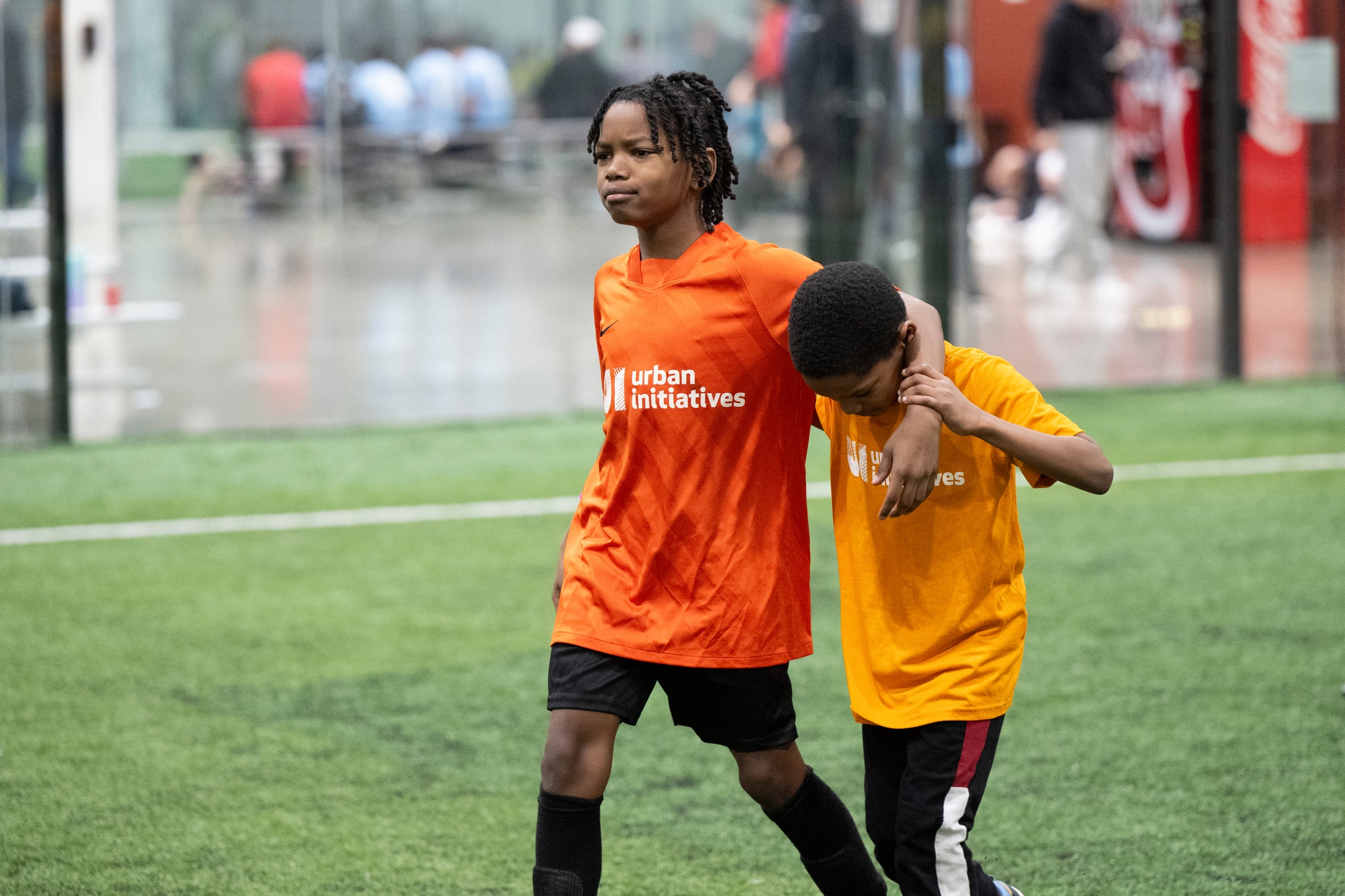
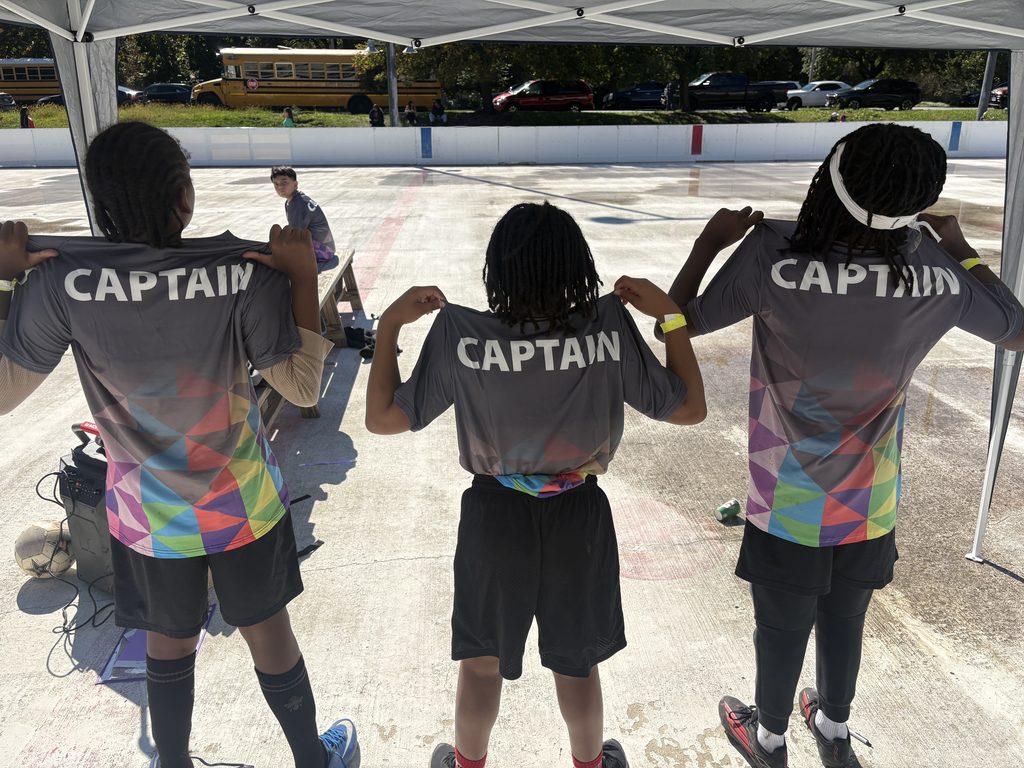
A second grader is hanging back at the edge of the drill, not quite sure how to jump in. A coach is across the field. The person standing closest is a middle schooler who serves as the team’s Captain, and in that moment, they are the one who gets to decide what to do.
Then the Captain walks over, says the younger player’s name, and brings them into the game. It takes ten seconds. To the second grader, it means they belong. To the Captain, it means something just as big: proof that they are someone a younger kid can look up to.
Not long ago, many Urban Initiatives middle school Captains were that second grader themselves.
They were the ones being welcomed by a coach who learned their name, cheered their first goal, and believed in them before they believed in themselves. Becoming a Captain is the moment that care comes full circle.
The young person who was once lifted up now gets to do the lifting.
That shift does not happen overnight. Development is built one season at a time, and every stage adds to the one before it. In elementary school, young people learn to play, to join, and to trust the adults around them. In middle school, the Captain role adds something new: responsibility for someone else. And responsibility, it turns out, is one of the most powerful ways a young person learns who they are.
Captains feel that growth coming, and they reach for it. Asked how they hoped to grow this year, a Captain at Kozminski wrote: “I hope to grow during this Take The Lead Program by being a better leader. A way I can do that is working on my behavior and sportsmanship.”
You can hear it in how Captains describe themselves. One Captain shared: “I learned new things, and I am starting to like soccer, because when I joined UI I was afraid, but now I am not afraid anymore.” Another said it in one breath: “By coming out my shell and talking more, letting my skills show.”
That is what self-esteem looks like when it grows from the inside. It does not come from being told you are capable. It comes from being trusted with something real, and then discovering you can carry it.
When we asked Captains what mattered most this year, a Captain at Nixon named it all in a single sentence: “Having fun and making friends, standing up for people, managing feelings, and discovering abilities.” Discovering abilities. For a middle schooler, few things are more powerful than finding out you are more capable than you knew.
For a Captain at Claremont, the biggest lesson was learning to lead from the inside out: “The most important thing in this program is like working with others. Also controlling your emotions towards others.”
That growth showed up across the program. By spring, 84% of Captains said they often or always notice how they are feeling before acting, up from 70% in the fall.
Often, it shows up in the smallest moments.
When Captains were asked how they were a good teammate or showed initiative, they did not talk about trophies. They talked about each other. “i stepped in when no one did”. “I helped people that did not understand english”. “I cheered for my friends when we were not on the same team”. And one Captain, in three words and a smile: “make everyone included:)”
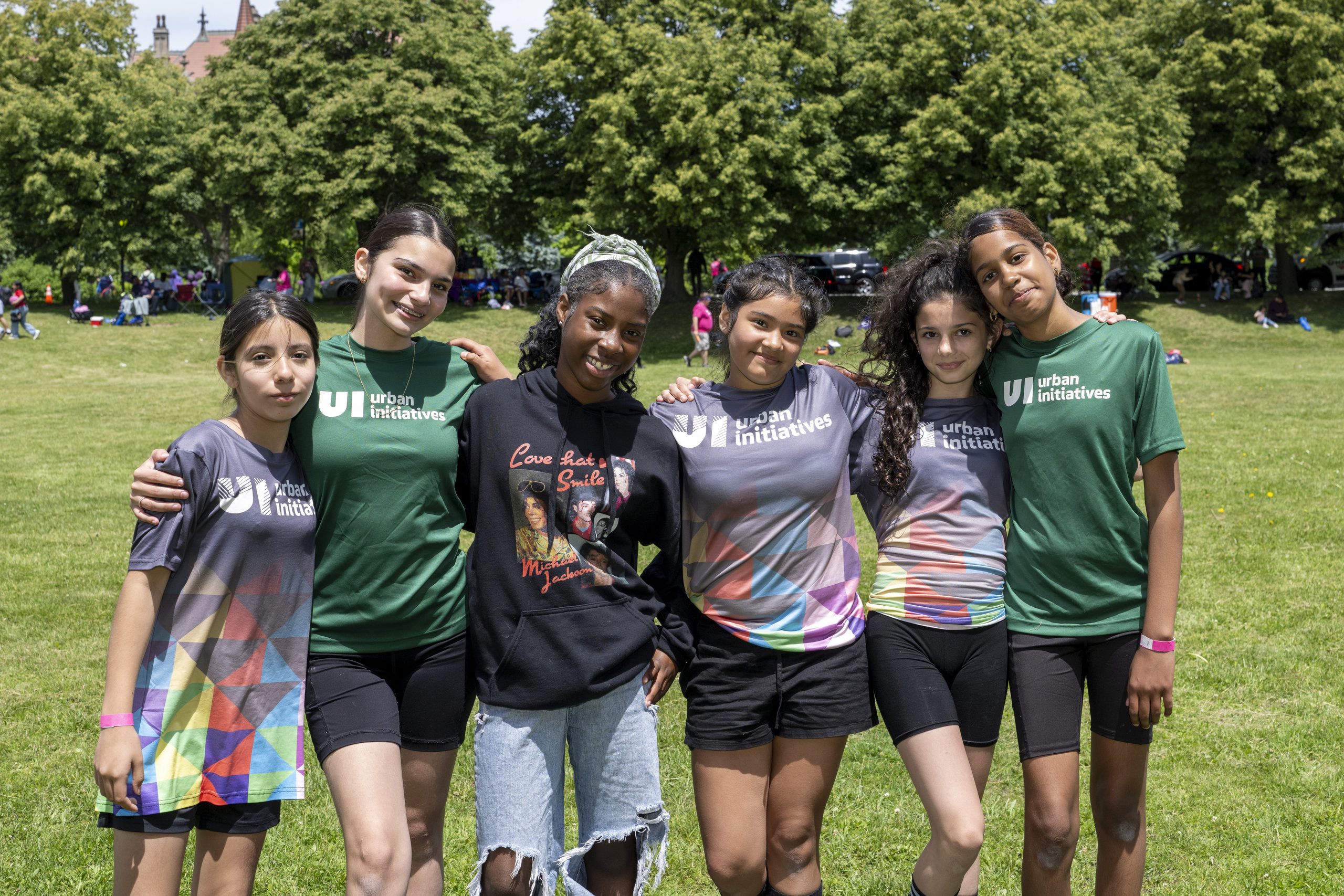
These are young people learning that they matter, and that they can make others feel like they matter too. By spring of last school year, 84% of Captains said they made an effort to include someone who had been left out. And 91% said they can talk to the adults in the program when they are upset or facing a problem, up from 73% in the fall. Captains are not growing up alone. They are surrounded by caring adults who help them see what they are capable of.
At Urban Initiatives, we believe every young person who discovers their own strength opens doors for someone else. We call it the Ripple Effect. A Captain who learns they can lift up a teammate becomes a student who speaks up in class, a friend who includes the new kid, and someday, maybe, the coach or mentor for the next generation.
A Captain at Goethe, asked what mattered most, described the Ripple Effect without ever hearing the name: “Connecting with others and teaching each other”.
And when another Captain was asked the same question, they answered simply: “By helping people and standing up for others.” Every Captain is proof of what young people can become when someone believes in them first.