
When most people think of a coach, they picture someone leading drills, drawing up plays, or giving a pep talk before the big game. At Urban Initiatives, coaching is all of that – and so much more.
Our coaching methodology is built on a simple truth:
The way adults show up for kids has the power to change systems.

The core knowledge is that certain coaching behaviors directly support growth and enjoyment for kids. The core belief is that when adults practice these same behaviors themselves, they create duplicable programming that helps kids and adults thrive.
And parents agree. According to the Aspen Institute’s State of Play analysis, 82% of parents nationwide said “I wish my child had more access to well-trained coaches.”
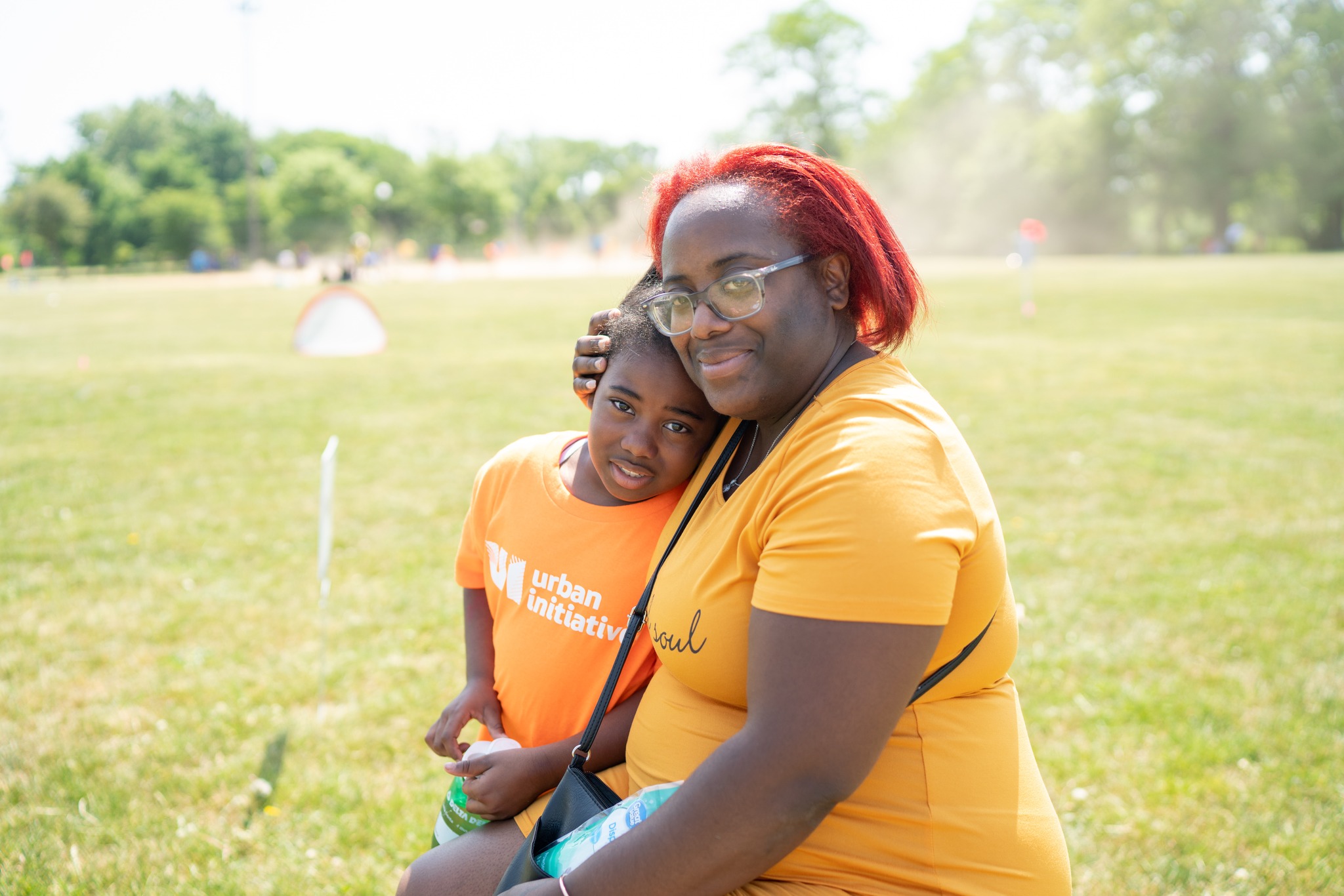
That’s why we hold ourselves to clear Coaching Methodology Standards – baseline practices that ensure every young person experiences belonging, safety, and growth every time they step on the field.
The Standards in Action
Warm Welcome
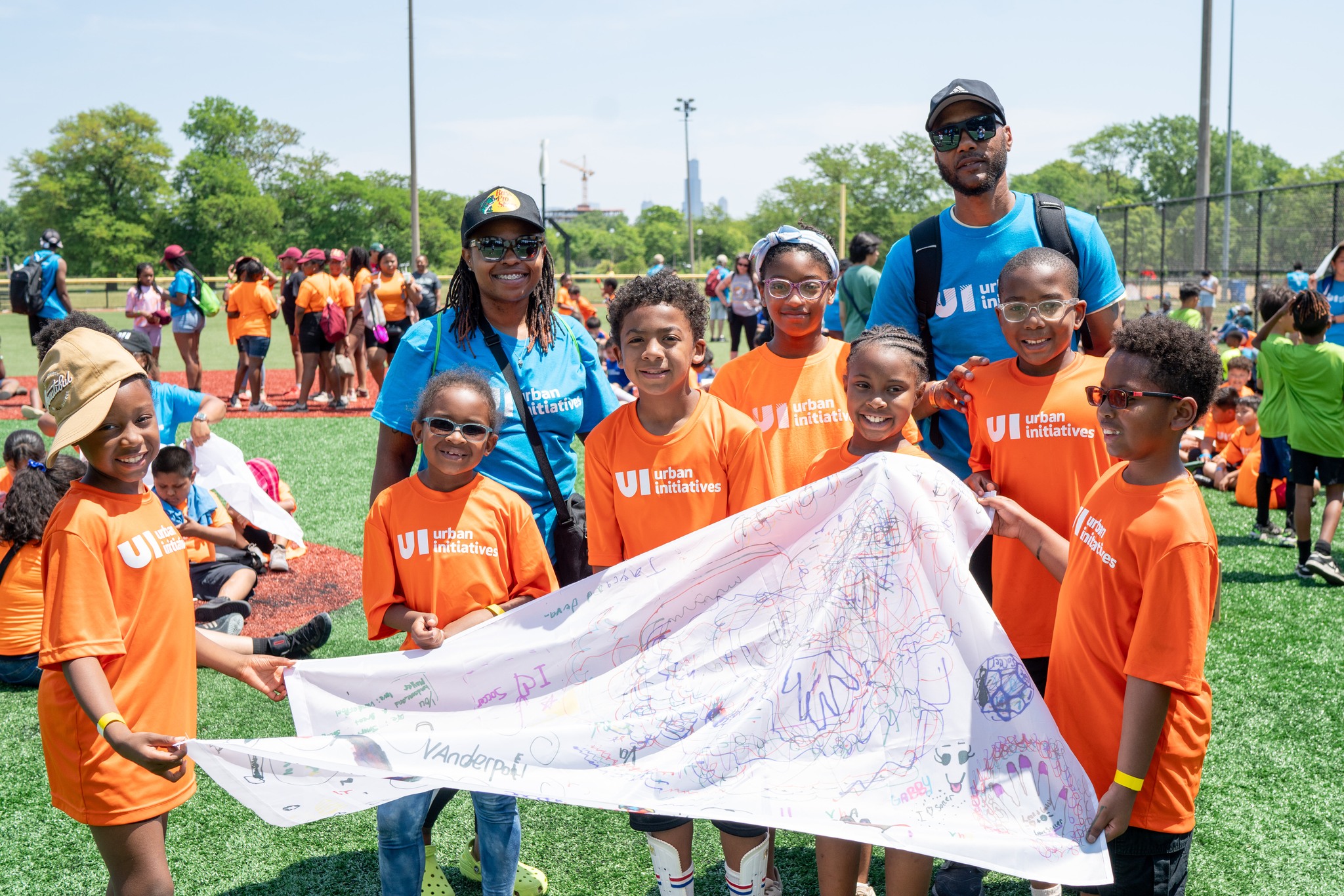
Every participant is greeted by name – with genuine enthusiasm and warmth. Coaches set the tone: “Start the day the right way.”
Safe Spaces
Coaches affirm each participant’s identity and actively intervene when bias shows up. Healing and care come first, always: “We’re all on the same team.”
Emotion Coaching
Young people are guided to name and understand their emotions. Coaches validate feelings, help identify causes, and teach strategies for growth: “You gotta name it to tame it.”
Scaffolding Learning
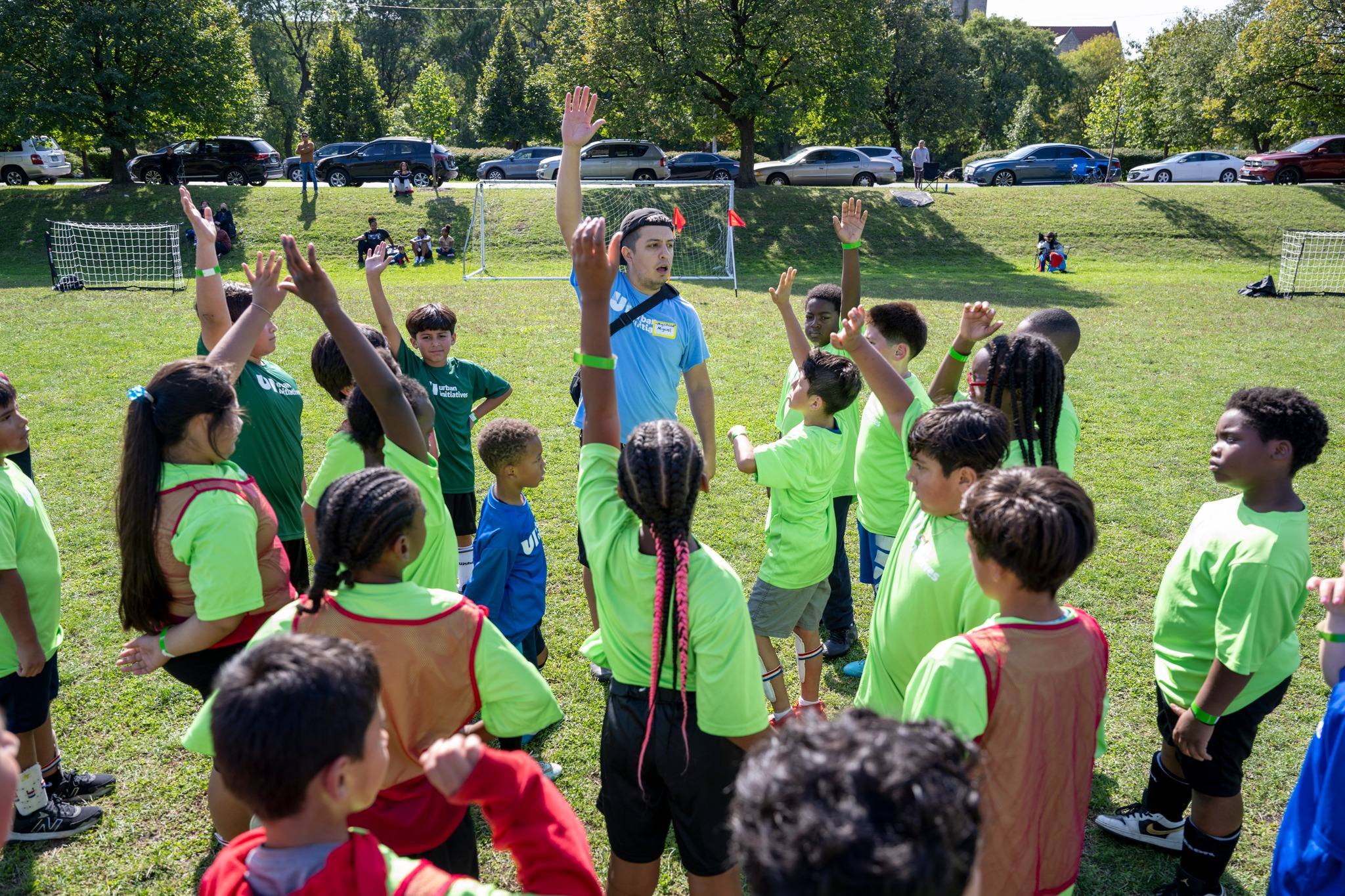
Skills are broken down step by step so that every child, no matter their starting point, experiences growth: “Better every day, no matter where you start.”
Reflection
Sessions close with intentional reflection, giving youth the chance to process, learn, and apply lessons beyond the field: “Learning without reflection is a waste.”
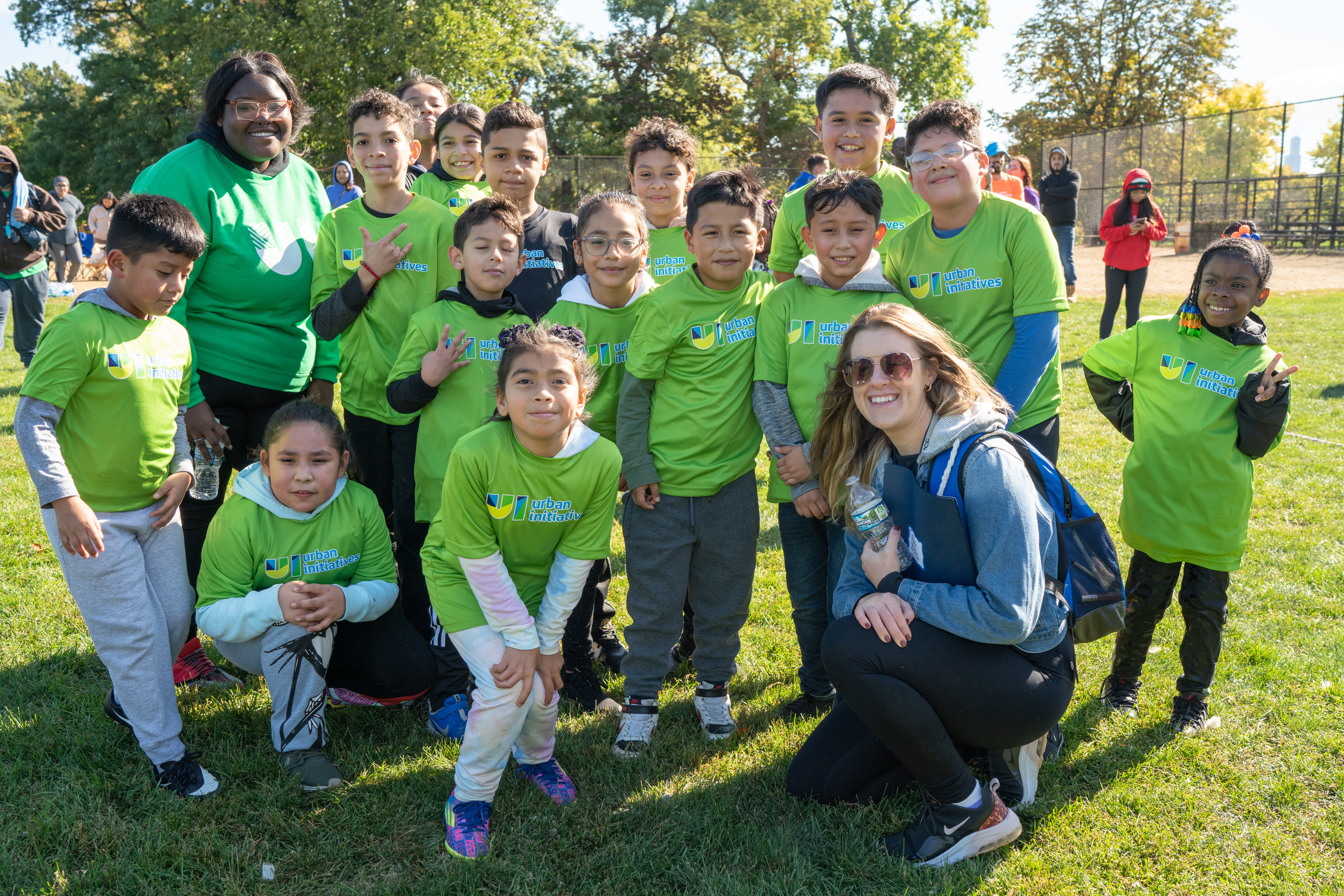
Beyond the Game
These standards are more than checklists – they’re systems change in motion.
- Coaches as Connectors: By greeting every student by name, coaches strengthen bonds across classrooms and communities.
- Coaches as Role Models: By practicing emotion coaching themselves, coaches model empathy and resilience that ripple outward.
- Coaches as Advocates: By affirming identity and creating safe spaces, coaches shift school culture toward equity and belonging.
- Coaches as System Builders: By scaffolding learning and building reflection into every session, coaches empower youth to keep growing and leading.
At Urban Initiatives, coaching is not just a program. It’s a methodology that transforms a team into a support system and a season into a step toward generational change.